Pilotage réseau multi-sites

Multi-site network piloting: what's new from Cerca in March to save time

Pilotage réseau multi-sites : les nouveautés Cerca de Mars pour gagner du temps Le quotidien d’un réseau multi-sites est une course contre la montre. Entre le développement, l’animation terrain et la transmission du savoir-faire, les dirigeants et animateurs de réseau doivent pouvoir compter sur des outils qui simplifient l’action plutôt que de la complexifier. Ce mois-ci, Cerca franchit une nouvelle étape avec plus de 30 évolutions pensées pour fluidifier votre pilotage réseau. Focus sur les trois fonctionnalités majeures qui vont transformer votre manière de collaborer. Demandez une démo Lecteur vidéo intégré et hébergement natif : protégez votre savoir-faire La transmission du savoir-faire est le pilier de la réussite d’une enseigne. Jusqu’à présent, intégrer un tutoriel vidéo ou un process métier obligeait souvent à passer par des hébergeurs tiers comme YouTube ou Vimeo. Avec notre nouveau lecteur vidéo intégré avec hébergement natif, vous reprenez le contrôle total sur vos contenus de formation : Plus besoin d’hébergeur tiers : Uploadez vos fichiers vidéo directement dans votre base de connaissances Cerca, au même titre que vos PDF interactifs. Sécurité et confidentialité : Vos vidéos stratégiques ne sont plus sur des plateformes publiques ; elles restent protégées au sein de votre environnement sécurisé. Navigation d’audit multi-formulaires : l’agilité au service du terrain Un pilotage réseau multi-sites efficace repose sur des audits terrain qualitatifs. Pour coller à la réalité de vos visites, nous avons rendu la navigation entre vos grilles d’évaluation totalement fluide sur mobile. Lors d’une visite en point de vente, les animateurs peuvent désormais : Passer d’un formulaire à l’autre en un instant (ex: basculer de la grille « Merchandising » à la grille « Hygiène ») sans repasser par le menu principal. Suivre le fil naturel de l’échange avec le responsable de site, sans être contraint par l’ordre technique des formulaires. Gagner en réactivité : Une saisie plus rapide pour consacrer plus de temps au conseil et à l’accompagnement. Connexion Welcome to the Jungle : boostez votre développement Attirer les bons profils est crucial pour la croissance d’un réseau. Cerca continue d’ouvrir son écosystème pour simplifier le travail des développeurs en permettant la connexion avec Welcome to the Jungle. Disponible sur demande, cette intégration permet de : Centraliser vos flux de candidats externes directement dans votre interface de recrutement Cerca. Supprimer les doubles saisies administratives entre votre vitrine employeur et votre outil de pilotage. Accélérer vos recrutements grâce à une vision unifiée et une synchronisation en temps réel de votre pipeline de candidats. En bref : un pilotage réseau toujours plus collaboratif Ces évolutions sont, comme chaque mois, le fruit d’un dialogue permanent avec nos utilisateurs. Chez Cerca, nous ne développons pas de fonctionnalités isolées : nous co-construisons avec vous l’outil le plus intuitif pour digitaliser vos process et faire grandir votre réseau. Prêt à passer à la vitesse supérieure ? Demandez vos 30 jours d’essai gratuit sans engagement Ces articles peuvent vous intéresser : Réseaux multi-implantés Les 7 KPI retail indispensables pour piloter la performance de votre réseau 6 avril 2026 Quels KPI retail privilégier pour 2026 ? Du trafic extérieur au taux de conversion, découvrez les 7 indicateurs… En savoir plus Réseaux multi-implantés Certification ISO 27001 : Comment Cerca garantit la sécurité de vos données 3 avril 2026 Découvrez comment Cerca, solution certifiée ISO 27001, garantit la sécurité des données de votre réseau…. En savoir plus Rien par ici 👀 !


formation

Creating an Effective Network Training Program: The Key to a High-Performing and Sustainable Network

Creating an Effective Training Program: The Key to a High-Performance, Sustainable Network In a franchise or branch network, there’s a lot of talk about the concept, the brand, the expansion strategy, marketing, and regional development. But there’s far too little discussion of a lever that is nonetheless fundamental: the training program. A network doesn’t grow solely because of a good idea. It grows because that idea is understood, applied, replicated, and improved on the ground. And that’s something that can be learned. Creating an effective network training program isn’t just about organizing a few days of initial training. It’s about building a system that supports franchisees and their teams throughout their journey. In this article, let’s take a step back and explore how to structure a network training program that isn’t merely educational but truly strategic. Discover our solutions for structuring your network A training program is not just initial training This is probably the most common mistake. Many networks view training as: a session at headquarters, a few days of on-the-job training, an operations manual, and then… off you go. But the reality on the ground is quite different. The franchisee opens their store amid stress, urgency, and a significant financial investment. They must recruit and train their team, manage inventory, and market locally. They absorb a huge amount of information and inevitably forget some of it. If training ends at opening, it creates structural vulnerability. A true training journey begins before opening, intensifies during the launch, and continues throughout the store’s entire lifespan. A network’s performance depends on this continuity. Approaching Training from the Perspective of Business Results An effective training program never begins with the question: “What are we going to teach?” It begins with another, far more strategic question: “What results do we want to achieve?” A retail chain does not train just for the sake of training. It trains to: improve conversion rates, increase average basket size, reduce non-compliance, accelerate the path to profitability, lower turnover, and standardize the customer experience. If training isn’t linked to concrete metrics, it becomes theoretical. It may be intellectually interesting, but it doesn’t transform performance. A good training program therefore starts with the network’s KPIs. It draws on real-world data to identify areas for improvement. It becomes a management tool. Training means taking action to improve performance. Structuring the Program Over Time A network evolves. Profiles vary. Needs change. A franchisee who has just signed their contract does not have the same needs as a franchisee who has been in business for three years. An experienced manager does not have the same expectations as a novice salesperson. Creating an effective development path means acknowledging this progression. Several major phases can be distinguished. First, the pre-onboarding phase. This phase introduces the network’s culture, the fundamentals of the concept, and the brand’s values. It establishes initial alignment. Next comes the launch phase. This is when operational aspects take precedence: standards, procedures, customer experience, and team organization. The franchisee must feel confident. Then comes the stabilization phase. This is when optimization begins: detailed analysis of metrics, margin management, local sales promotion, and team management. Finally, for mature locations, the program must incorporate more strategic modules: leadership, multi-site development, and growth management. An effective program is progressive; it evolves alongside the franchisee’s maturity. Adapting Training to Teams’ Daily Workflows Building a network doesn’t mean bringing business to a standstill. In retail or the restaurant industry, teams are already under pressure. Time is limited. Days are packed. If training becomes a heavy burden, it will be seen as a hindrance. An effective training program must therefore fit into the reality on the ground. This implies several things.  First, easy access. Today, training must be mobile, accessible from a smartphone or tablet. Teams aren’t sitting at a computer all day. Next, short modules. Micro-learning is particularly well-suited. Content that’s targeted, concrete, and immediately actionable. Finally, a flexible approach. Allow teams to learn at their own pace, without shutting down the store for hours. Training should support business operations, not slow them down. Measuring the Real Impact of Training Many retail chains are content to measure completion rates. “The module was completed.” But is that enough? An effective training program must go further. It must ask a simple question: Did the training make a difference? After training on upselling, does the average basket size increase? After a module on customer service standards, do customer reviews improve? After a program on inventory management, do stockouts decrease? Training becomes truly strategic when it’s linked to on-the-ground metrics. That’s when it stops being a cost center and becomes a driver of profitability. Incorporating Front-Line Insights into the Training Program A network isn’t a top-down organization. It’s a living ecosystem. Best practices don’t come solely from headquarters. They often emerge from the front lines. A top-performing franchisee has developed effective methods. An experienced manager has found practical solutions to everyday problems. An effective training program must incorporate this feedback. This reinforces the credibility of the content. It fosters engagement. It recognizes the network’s ambassadors. We’re shifting from a “we’ll tell you how to do it” approach to a “let’s build it together” approach. That’s a major difference. Establishing a culture of continuous learning In a retail or multi-site environment, nothing is set in stone. Customer expectations evolve. Tools change. Regulations shift. Competition is intensifying. A network that stops learning falls behind. Creating an effective training program means establishing a culture of continuous improvement. This means: accepting that excellence is never a given, encouraging feedback, regularly updating content, and adapting to changes in the business model. Training then becomes an ongoing process, not a one-time event. Ensuring the Transfer of Know-How In franchising, the transfer of know-how is not[…]

Franchise Expo Paris 2026: Seeking the heart of innovation and customer proximity

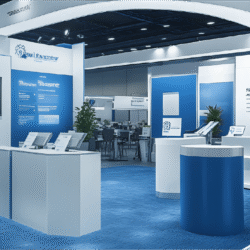
Franchise Expo Paris 2026: Cerca at the Heart of Innovation and Customer Engagement Last weekend, the Porte de Versailles was buzzing with the excitement of Franchise Expo Paris. For the #TeamCerca, this event is much more than just a trade show: it’s the highlight of the year, a chance to reconnect with everyone who’s shaping the world of franchising. Here’s a look back at an edition marked by innovation, field organization, and the power of collaboration. Attract and convert over 26% candidates with Cerca 114 client brands in attendance This year, out of the 500 exhibitors present, 114 brands now trust Cerca to manage their networks. Meeting them, gathering their feedback, and observing their energy on the ground is what drives us. For the event, our teams were easily recognizable thanks to our Cerca-branded polo shirts, sweaters, and tote bags. This look has become a tradition thanks to the loyalty of our partner Franchise Print, which carefully supports us trade show after trade show to ensure impeccable branding. Analysis: The Trends Shaping the Franchise Industry in 2026 Beyond the numbers, this trade show provided an opportunity for fascinating discussions with network leaders. Among the topics that came up regularly in our conversations: AI for operational efficiency: How artificial intelligence can tangibly save time for franchisees and network coordinators. Data centralization: To stop operating blindly and gain a clear, real-time view of the network’s health. E-learning and training: The right tools to structure the transfer of know-how to ensure network consistency and monitor retail locations to guarantee successful store openings. Operational excellence: The need for digital tools to simplify field reporting and performance tracking. Request your free trial of the e-learning module This trade show was also the perfect opportunity to interview our customers about these challenges and how they use the Cerca solution on a daily basis. These new interviews are currently being edited and will be available very soon. In the meantime, you can already watch all of last year’s testimonials in this video: https://youtu.be/F8ZaqhrFjoE Expo’Pass: 1,091 applications submitted in 3 days! One of the highlights of the trade show was the widespread use of our Expo’Pass solution. The numbers speak for themselves: in just three days, more than 40 client brands used the tool to transform their lead management. Expo’Pass results at Franchise Expo Paris 2026: 136 personalized Expo’Passes deployed at the booths. 1,091 applications registered instantly. Results from these three days of use: 469 applicants on Saturday, 308 on Sunday, and 314 on Monday. Behind these badges (QR code, NFC chip) lies an entire software suite that saved developers valuable time. Thanks to the comprehensive dashboard, brands were able to analyze their results hour by hour and access each applicant’s information directly within their Cerca CRM. The added bonus? The Expo’Pass isn’t limited to Franchise Expo. It can be activated at any event to ensure structured tracking without any manual data entry. What’s next? Drive your strategy with real data The trade show is over, but the analysis is just beginning. To support franchise networks in their strategic decisions, we’re currently preparing the release of a major resource: the 5th Annual Report on Franchise Development. Conducted in partnership with Toute La Franchise among more than 400 brands, this exclusive study allows you to: Benchmark your performance: Compare your conversion rates to market averages. Optimize your investments: Identify the channels (Google, Meta, LinkedIn, Trade Shows) that perform best in 2026. Anticipate trends: Understand new candidate behaviors to adjust your acquisition mix. 👉 Discover and download the 5th Annual Report on Franchise Development A huge thank you to our clients, partners, and future franchisees whom we met for these inspiring moments of sharing. We’ll see you very soon to break down the numbers from this edition together! Download the study You may be interested in these articles: Multi-location networks Why is training the primary driver of profitability in franchising? March 16, 2026 Why is training the primary driver of profitability in franchising? When it comes to profitability… Learn more Multi-location networks Maximizing the return on your trade show investments: Rethinking the event as a strategic lever March 11, 2026 Maximizing the return on your trade show investments: Rethinking the event as a strategic lever Every year,… Learn more Nothing here 👀!

formation

Why is training the primary driver of profitability in franchising?

Why is training the number one driver of profitability in franchising? When we talk about profitability in franchising, the usual responses are almost always the same. We mention the business model. The location. The strength of the brand. National marketing. Purchasing power. Rarely training. And yet, if we look at the networks that perform best over the long term, one common thread consistently emerges: they invest heavily in training. Not just at the start. Not just to check a legal box. But as a true strategic driver of performance. Because in franchising, profitability doesn’t rest solely on a good idea. It rests on the ability to replicate that idea perfectly, everywhere, and over the long term. And that ability always starts with training. Request your free trial of the e-learning module Franchising Rests on a Fragile Promise Franchising is a powerful model. It allows for the rapid development of a concept by relying on independent entrepreneurs. It combines the strength of a brand with the energy of local initiatives. But this model has a structural vulnerability. The franchisor does not directly manage the teams on the ground; instead, it passes on know-how to legally independent partners. The network’s performance therefore depends on the quality of that transfer. If the know-how is misunderstood, poorly assimilated, or incorrectly applied, the concept becomes distorted. And when a concept becomes distorted, profitability erodes. A customer does not judge a retail network on a store-by-store basis. They judge the brand as a whole. A bad experience in one city can impact the brand’s national reputation. Sloppy execution can undermine a marketing promise built up over many years. Training is therefore the first line of defense against the dilution of the concept. Rapid skill development = faster profitability. A franchisee often opens their store under considerable pressure: significant financial investment, immediate fixed costs, team recruitment, and the challenge of building local brand awareness. Every week counts. The faster the franchisee reaches an optimal level of execution, the shorter their ramp-up time. Conversely, a poorly trained franchisee: makes costly mistakes, misinterprets standards, makes poor operational decisions, and places a heavy burden on corporate support. This lost time directly translates into lost profit margins. A well-trained franchisee understands: their key performance indicators, their cost structure, their performance drivers, and the network’s strategic priorities. They become self-sufficient more quickly—and self-sufficiency accelerates profitability. The Hidden Cost of Lack of Training Training is often viewed as an expense. This is a mistake. The true cost is that of not providing training. A poorly trained employee leads to: operational errors, customer dissatisfaction, product returns, internal conflicts, and high turnover. A franchisee who lacks proper support leads to: tensions with headquarters, contractual misunderstandings, deviations from the business model, and gradual demotivation. These costs aren’t always visible on a balance sheet. But they weigh heavily on the network’s overall performance. Training isn’t expensive—but improvisation is. Consistency: The Key to Network Profitability A high-performing network doesn’t rely solely on its best locations. It relies on the network’s average performance. What creates value is consistency. When every location delivers the same level of experience: the brand gains credibility; national communication becomes more effective; customer trust increases; and customer loyalty grows. Yet consistency cannot be mandated. It must be taught. It must be structured. It must be passed on. Training is the only lever that ensures the concept remains true to its original intent, regardless of location. Training frees up headquarters. Another often-underestimated effect concerns the franchisor’s internal organization. In a poorly trained network, headquarters spends its time managing emergencies: basic questions, recurring problems, misunderstandings about procedures, and avoidable errors. The support teams become firefighters. Conversely, in a well-trained network, support staff can focus on: strategic development; high-value-added support; performance optimization; and identifying innovations from the field. Training therefore increases headquarters’ productivity. And when headquarters operates more strategically, the entire network becomes more efficient. Continuing education: the real differentiator Many networks invest adequately in initial training. But that’s not where the real challenge lies. The market is evolving. Customer expectations are changing.Digital tools are advancing. Regulations are changing. A network that does not provide ongoing training gradually becomes obsolete. Ongoing training enables: the adoption of new practices, alignment with product developments, the maintenance of a consistent level of excellence, and the strengthening of the network’s culture. It is also a powerful tool for engagement. A franchisee who feels they are making progress stays motivated. A team that grows stays engaged. Profitability also depends on collective energy. Training as a Legal Tool In franchising, the transfer of know-how is not an option. It is an obligation. A franchisor must be able to demonstrate that it is effectively passing on its concept. In the event of a dispute, the traceability of training becomes a key factor. A structured network that can prove which modules were completed, which certifications were obtained, and which updates were distributed protects itself legally. Training is therefore not just an economic lever; it is also a lever for security. The Multiplier Effect Franchising is a model that leverages results. A local improvement can produce a multiplied impact. If training increases: the average basket size by 5 %, the conversion rate by 3 %, and team productivity by 10 %—and this applies to 50, 100, or 300 retail locations… The impact becomes massive. Few levers offer such multiplier potential. Training is one of the few investments capable of simultaneously improving: the customer experience, financial performance, brand consistency, and legal stability. Training creates a shared culture. Beyond procedures, training conveys a culture. A vision. A way of doing things. A way of making decisions. In a network, this shared culture is essential. It reduces conflicts and facilitates communication[…]

Making investments pay off trade show: Rethinking the event as a strategic lever

Rentabiliser ses investissements Salon : repenser l’événement comme un levier stratégique Chaque année, les réseaux investissent des sommes importantes dans les salons professionnels.Stand, logistique, déplacements, hébergement, mobilisation des équipes. Le coût est réel, visible, mesurable. Ce qui l’est beaucoup moins, en revanche, c’est le retour sur investissement réel de ces événements. Quelques semaines après, le constat est souvent le même : Le Salon s’est bien passé, les échanges ont été nombreux, l’ambiance positive mais il est difficile de dire précisément ce que tout cela a produit. Combien de projets ont réellement émergé ? Combien de contacts ont abouti ? Et surtout : qu’est-ce que le réseau a appris de cette présence ? Le problème n’est pas le salon en lui-même.Le problème, c’est la manière dont il est pensé et intégré dans une stratégie globale. Demandez vos 30 jours d’essai gratuit Un Salon n’est pas un événement ponctuel, c’est un investissement Un Salon ne devrait jamais être considéré comme une simple opération de visibilité.C’est un investissement stratégique, au même titre qu’un déploiement marketing ou qu’un projet de développement. Et comme tout investissement, il doit être abordé avec trois questions simples : Pourquoi y allons-nous ? Qu’attendons-nous concrètement ? Comment allons-nous exploiter ce qui en ressort ? Sans réponse claire à ces questions, le Salon devient une action isolée.Visible, certes, mais difficilement rentable. Avant le Salon : clarifier les objectifs pour donner de la valeur aux échanges La rentabilité d’un salon se joue en grande partie avant son ouverture. Un réseau qui sait précisément ce qu’il vient chercher n’aborde pas les échanges de la même manière. Recruter de futurs partenaires, identifier des opportunités commerciales, renforcer une marque, tester un discours, prendre le pouls du marché : chaque objectif implique une posture différente. Lorsque les équipes partagent cette clarté, les discussions gagnent en profondeur.Elles ne sont plus de simples échanges cordiaux, mais des points d’entrée vers des parcours structurés. Pendant le Salon : capter de l’information, pas seulement des contacts Beaucoup de salons génèrent des listes de contacts mais peu de données réellement exploitables. Or, ce qui crée de la valeur, ce n’est pas le volume, mais la qualité de l’information recueillie :le besoin réel, le niveau de maturité, les contraintes, l’horizon de décision. C’est cette compréhension fine, captée sur le moment, qui permet ensuite un suivi pertinent.Sans cela, le contact devient abstrait et finit souvent oublié dans un fichier ou un outil mal exploité. Après le Salon : transformer l’essai dans la durée C’est après le Salon que tout se joue réellement. Un événement n’est rentable que s’il déclenche une dynamique : des relances rapides, des échanges personnalisés, des rendez-vous qualifiés, parfois sur plusieurs mois. Sans organisation claire, le salon s’arrête le jour où le stand est démonté.Avec un suivi structuré, il devient un point de départ. C’est aussi à ce moment-là que le réseau peut tirer des enseignements précieux : quels profils ont été rencontrés, quels messages ont résonné, quels freins sont revenus le plus souvent. Faire du Salon un levier durable, pas une dépense isolée Rentabiliser un salon ne signifie pas en faire plus, ni multiplier les événements.Cela signifie mieux les intégrer dans une logique de pilotage et de continuité. Un Salon bien exploité nourrit la stratégie commerciale, marketing et réseau.Il alimente la réflexion du siège, éclaire les décisions et renforce l’alignement entre le terrain et la tête de réseau. Chez Cerca, c’est cette approche que nous défendons : considérer le salon non comme une fin en soi, mais comme un point d’entrée dans un dispositif plus large, structuré et mesurable. Car au fond, un Salon n’est jamais un coût par nature.Il le devient uniquement lorsqu’on ne sait pas quoi en faire après. Et c’est souvent là que tout se joue. Ces articles peuvent vous intéresser : Réseaux multi-implantés Rentabiliser ses investissements Salon : repenser l’événement comme un levier stratégique 11 mars 2026 Rentabiliser ses investissements Salon : repenser l’événement comme un levier stratégique Chaque année,… En savoir plus Franchise Animation de réseau de franchise : pourquoi formaliser les visites change tout 27 février 2026 Animation de réseau de franchise : pourquoi formaliser les visites change tout Comment animer mon réseau… En savoir plus Rien par ici 👀 !

network animation

Franchise network animation: why formalizing visits changes everything

Franchise Network Management: Why Formalizing Site Visits Makes All the Difference How do I manage my franchise network? In many networks, franchise network management is based on a simple idea: maintaining a close relationship with franchisees. Field visits are often seen as informal opportunities for discussion, intended to maintain a good relationship between headquarters and franchisees. But behind this friendly approach sometimes lies a more complex reality. A franchisor recently told us: “I never wanted to impose visit reports on my franchisees. I wanted them to feel that I respect their independence.” No action plan. No reports. No formal follow-up. Just “friendly” visits. A few months later, however, it is those same franchisees who are expressing their frustration: “The network coordinator is useless.” “I don’t feel supported.” “Nothing is formalized.” This paradox is extremely common in franchise networks. And it reveals a fundamental reality: without a structured approach to network coordination, it’s impossible to provide clear and measurable value to franchisees. The Key Role of Coordination in a Franchise Network Network coordination is one of the pillars of the franchise model. It ensures: the transfer of know-how; continuous performance improvement; network consistency; compliance with brand standards; and the development of franchisees’ skills. The franchise network coordinator is often the primary link between headquarters and the field. Their role is not limited to visiting retail locations. They must: analyze performance, identify areas for improvement, support franchisees, monitor implemented actions, and report information back to headquarters. Without a structured approach, this mission becomes unclear. According to the recommendations of the French Franchise Federation, supporting franchisees is one of the franchisor’s fundamental obligations. This support must be genuine, regular, and demonstrable. Structuring My Franchise Network The Pitfall of “Friendly” Visits Many franchisors want to maintain a relationship of trust with their franchisees. They fear that formalizing visits will be perceived as: excessive oversight, a loss of autonomy, unnecessary bureaucracy, or an administrative burden. The result: visits remain informal. They discuss: revenue, team performance, and project challenges. But nothing is documented. At the time, everyone is satisfied. The relationship seems smooth and natural. The problem arises a few months later. Without visit reports, there’s no accountability. When no minutes are taken, several difficulties quickly emerge. It’s impossible to track actions. Without a formalized action plan: decisions are forgotten, priorities shift, commitments fall by the wayside, and problems persist. Each visit is just like the last. The same topics are discussed again without any concrete progress. Impossible to prove support In a franchise network, traceability is essential. Without visit reports: the franchisor cannot demonstrate its support; the franchisee may feel abandoned; misunderstandings multiply. A franchisee in trouble could easily say, “Headquarters never helped me.” ” Even if that’s not true. Without a written record, perception becomes reality. Formalizing support does not mean controlling One of the most widespread misconceptions is that formalizing visits amounts to monitoring franchisees. In reality, structured network management is a tool for collaboration. A good visit report helps clarify priorities, set realistic goals, define concrete actions, and, above all, track progress. This document becomes a shared reference. It protects the franchisee, the network coordinator, and the franchisor alike. The goal is not to control, but to effectively support the franchisee in developing their franchise. Cerca, the software for structuring a franchise network Visit reports: a performance driver In high-performing networks, visit reports are considered a strategic tool. In particular, they allow you to: ✔ Structure on-the-ground interactions✔ Identify areas for improvement✔ Prioritize actions✔ Track results✔ Standardize practices✔ Improve communication between headquarters and the field Specialized media outlets such as Toute la Franchise regularly emphasize the importance of support and coordination in ensuring franchisees’ success. Effective network coordination relies on a clear methodology. The action plan: the key to meaningful coordination A good visit report must always lead to an action plan. This plan must be simple, concrete, prioritized, and measurable. For example: improving the conversion rate, hiring a new employee, optimizing in-store signage, strengthening local marketing, improving internal procedures. Each action must include a person in charge, a deadline, and a goal. This is what transforms a visit into genuine support. Sign up for your 30-day free trial Mutual responsibility at the heart of the franchise model Franchising is based on a partnership. The franchisor provides a concept, expertise, support, and tools. The franchisee provides their commitment, investment, dedication, and daily effort. For this partnership to work, a clear framework is needed. Visit reports and action plans create this framework. They help establish mutual accountability: the franchisor commits to supporting the franchisee, and the franchisee commits to making progress. Everyone knows their role. Structured franchise network management inspires confidence. Franchisees expect concrete support. They want: useful advice, clear recommendations, regular follow-up, and a long-term vision. A structured network strengthens: the franchisor’s credibility, franchisee satisfaction, brand consistency, and overall performance. Conversely, vague management quickly leads to frustration. Establish formal processes today to avoid tensions tomorrow. In the early stages of the network, relationships are often simple. Everyone knows each other; communication is direct.Problems are resolved quickly. But as the network grows: expectations rise, financial stakes become higher, and relationships become more professional. Without formalization, tensions arise. Formalizing support helps prevent these misunderstandings.[…]

Structuring a franchise network: why should you structure from the very first franchisees?

Structuring a Franchise Network: Why Is It Important to Establish a Structure Right from the Start with Your First Franchisees? Small Networks, Big Responsibilities: The Myth of Delayed Structuring In the world of franchise development, a common refrain among new franchisors is: “My network is too small for me to need a structure.” ” At first glance, this may seem logical. When you have 3, 5, or 8 franchisees, you might think that an Excel spreadsheet, a few emails, and a lot of energy are enough. Yet, this is precisely the moment when everything is at stake. Because the truth is simple: you’ll never be as available as you are today. And the more your franchise network grows, the more urgent—and complex—structuring will become. Structuring early doesn’t mean making your organization more cumbersome. It means laying the foundation for controlled, sustainable, and successful growth. Why do new franchisors put off structuring their business? When launching a network, the franchisor is everywhere: recruiting franchisees, approving locations, providing opening support, coordinating the network, offering operational support, and handling local marketing. With just 5 franchisees, you already feel like you’re constantly running around. With 15, you won’t save any time. With 30, you won’t have any time left at all. Many executives think that structuring means: creating cumbersome procedures, implementing a rigid organization, losing agility, or “bureaucratizing” the network. In reality, it’s exactly the opposite. Structure My Franchise Network: Defining and Addressing the Challenges Structuring a franchise network involves establishing clear processes, appropriate tools, and a scalable organizational framework that supports growth without causing disorganization. This encompasses several key areas: development processes (recruitment, approval, opening) knowledge transfer internal coordination and communication performance management document management standardization of practices According to the French Franchise Federation, a network’s long-term viability depends on the franchisor’s ability to transfer structured and replicable know-how. This transfer cannot be effective without a solid organizational structure. The real risk: waiting until the network is “big enough.” Many franchisors tell themselves, “I’ll get organized once I have 20 franchisees.” The problem is that by the time there are 20 units: practices are already inconsistent; habits are deeply ingrained; performance gaps begin to appear; and tensions between headquarters and the field may arise. Correcting a rapidly growing network is infinitely more complex than structuring it while it’s still agile. It’s a bit like renovating a building’s foundation while the upper floors are being built. Establishing structure early: a strategic lever for growth Structuring your network from the very first franchisees means: 1. Building a scalable knowledge base A high-performing network relies on a centralized knowledge base: operating manuals, procedures, marketing materials, technical data sheets, and performance metrics. When these elements are organized from the start, they naturally evolve alongside the network. Conversely, when they’re scattered across emails, shared folders, or the founder’s mind, knowledge transfer becomes unreliable. 2. Facilitating effective communication between headquarters and the field Communication is one of the pillars of franchise success. A well-structured network enables: clear tracking of actions; better coordination of new store openings; a smooth flow of information; and consistent network management. Structuring promotes transparency and strengthens the relationship of trust between the franchisor and franchisees. 3. Streamline what needs to be streamlined. Structuring does not mean standardizing the human element; it means automating and streamlining what can be, to free up time where it is most valuable. For example: automating the tracking of applications; digitizing audits; centralizing documents; standardizing opening procedures. This allows the franchisor to focus on: strategic support; innovation; business development; and field relations. Growth does not have to mean chaos. Cerca, the software for structuring a franchise network. Structuring and network development: an inseparable pair. The development of a franchise network relies on a delicate balance: recruiting quickly, opening locations regularly, maintaining quality, and preserving brand consistency. Without structuring, growth becomes fragile. The most successful networks are those that have understood that scalability cannot be improvised. In fact, specialized media outlets such as Toute la Franchise regularly highlight the importance of management tools and organization in the success of expanding brands. The concrete benefits of a structured network A structured network enables: ✔ Better control over new store openings✔ Fewer operational errors✔ A consistent customer experience✔ Faster skill development for franchisees✔ Time savings for headquarters✔ More stable growth In the long term, this directly impacts: the franchisor’s profitability; franchisee satisfaction; brand value; and attractiveness to new candidates. An organized network inspires confidence. Sign up for your free 30-day trial. Structuring doesn’t mean creating an overly complicated system. One of the most common fears is that of complexity. However, structuring a network can be simple if you: choose the right digital tools define clear processes prioritize what matters most move forward step by step The goal isn’t to create unnecessary layers of bureaucracy, but to establish a framework. A flexible framework. A scalable framework. A framework that supports growth. The ideal time to structure your network? Now. When the network is still “small,” the franchisor: knows each franchisee personally still has a handle on every detail can quickly adjust their methods It’s the perfect time to: formalize processes document know-how digitize communications set standards Because the more the network grows, the less room for maneuver there is. In short: it’s better to anticipate than to fix. Structuring your franchise network early demonstrates strategic vision. It doesn’t mean becoming rigid. It doesn’t mean adding unnecessary complexity. It doesn’t mean creating bureaucracy. It means laying the groundwork for agile and sustainable growth. It’s always easier to build a solid organization when the network has 5 franchisees than to try to stabilize it when it has 40 and the machine is already running at full speed.[…]

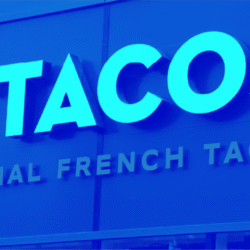
How O'Tacos structured its franchise development thanks to Cerca

Développement de réseau à grande échelle : la croissance exceptionnelle de l’enseigne O’Tacos Passer de 13 à plus de 400 implantations en quelques années est un défi colossal pour n’importe quel réseau de franchise. Pour soutenir une telle croissance sans perdre en efficacité ni en qualité opérationnelle, O’Tacos International a fait le choix de s’appuyer sur Cerca, une solution dédiée à la gestion et au pilotage du développement de réseaux multi-localisés. Un succès fulgurant… et des enjeux structurels majeurs Dès 2015, alors que le réseau ne comptait que 13 restaurants, O’Tacos faisait déjà face à un engouement exceptionnel de la part des candidats à la franchise.Ce succès rapide a mis en lumière plusieurs enjeux clés : Un volume très élevé de candidatures Une équipe de développement restreinte, parfois junior Des processus complexes à suivre sur plusieurs mois, de la candidature à l’ouverture Sans outil adapté, le risque était clair : 👉 ralentissement du développement👉 perte de visibilité sur les projets👉 surcharge opérationnelle des équipes Accélérez la croissance de votre enseigne Les défis du développement d’un réseau de franchise en forte croissance 1. Structurer le recrutement des franchisés Avec un concept attractif, O’Tacos recevait de nombreuses demandes.Mais sans outil centralisé, le traitement des candidatures devenait chronophage et difficile à prioriser. Résultat : des goulots d’étranglement à des étapes critiques du développement du réseau. 2. Piloter un parcours d’ouverture complexe Chaque projet de franchise implique de multiples étapes : recherche et validation du local échanges de documents (business plan, SIRET, etc.) audits coordination des équipes terrain Sans solution dédiée, le suivi manquait de clarté, augmentant les risques d’erreurs et de retards. Cerca, une solution pensée pour le développement des réseaux de franchise Pour répondre à ces enjeux, O’Tacos a choisi Cerca, une plateforme conçue pour structurer, automatiser et piloter l’ensemble du parcours de développement. Un espace candidat dédié aux futurs franchisés Grâce à Cerca, les candidats à la franchise disposent d’un espace unique pour : proposer un emplacement en renseignant les critères clés et en ajoutant des photos, transmettre facilement les documents nécessaires à l’ouverture, visualiser les étapes restantes jusqu’à l’ouverture via un tableau de bord clair. Un pilotage précis des ouvertures Cerca permet également de : programmer et gérer les audits d’ouverture s’appuyer sur une checklist de près de 100 points garantissant le respect des standards du réseau suivre l’avancement de chaque projet en temps réel Un atout majeur pour tout réseau de franchise en phase d’expansion. Des résultats concrets pour O’Tacos L’impact de Cerca sur le développement du réseau O’Tacos est mesurable : 🔹 Suppression des goulots d’étranglement grâce à un reporting précis 🔹 Réduction significative des coûts Selon Iheb Jebali, responsable développement du réseau, il aurait fallu deux fois plus de collaborateurs sans cet outil 🔹 Gain de temps opérationnel de 15 à 20 % pour les équipes terrain 🔹 Des ouvertures de restaurants plus fluides et mieux coordonnées   Structurez votre développement de réseau Digitaliser le développement de son réseau : un levier stratégique Le cas O’Tacos illustre parfaitement un enjeu clé du monde de la franchise :👉 la structuration des processus est indispensable pour accompagner une forte croissance. La digitalisation du développement permet aux enseignes de : sécuriser leurs ouvertures, améliorer la collaboration interne, optimiser leurs ressources humaines, accélérer leur expansion sans dégrader la qualité. Et vous, où en est votre réseau ? Vous développez un réseau de franchise ou un concept multi-localisé ?Vous cherchez à structurer votre croissance, gagner du temps et réduire vos coûts ? 👉 Cerca accompagne les réseaux à chaque étape de leur développement.Contactez-nous pour découvrir comment notre solution peut s’adapter à vos enjeux de croissance. Demandez vos 30 jours d’essai gratuit Ces articles peuvent vous intéresser : Développement 3 facteurs humains qui font réellement la différence dans une enseigne en croissance 11 décembre 2025 Découvrez les trois facteurs humains qui transforment la performance d’une enseigne en croissance : engagement,… En savoir plus Franchise 3 erreurs qui fragilisent un réseau dès ses premières implantations 4 décembre 2025 Franchiseurs débutants : découvrez les trois erreurs qui fragilisent un réseau dès ses premières implantations… En savoir plus Rien par ici 👀 !